Ten Miles From Your Front Door Is the Growth Strategy You Keep Skipping
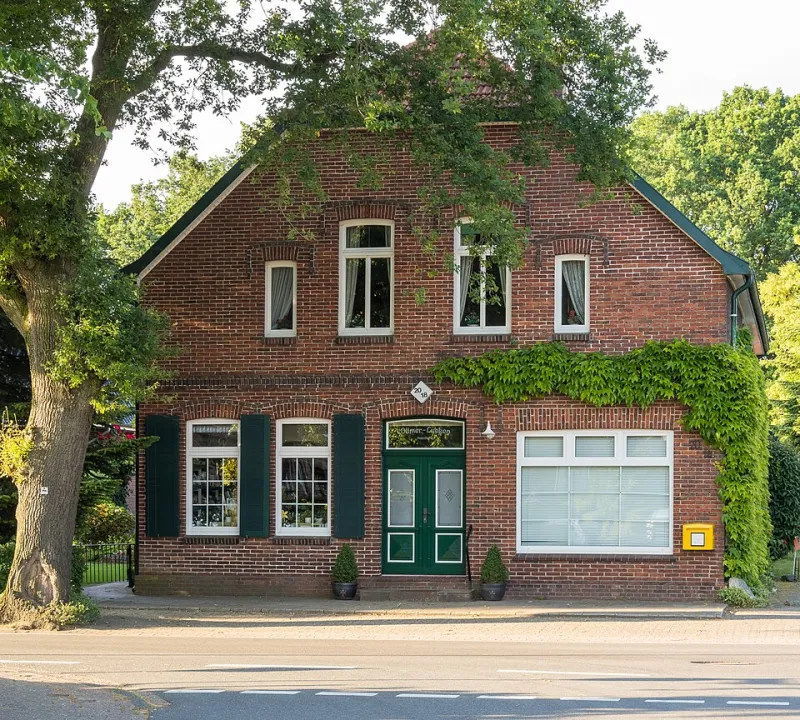
Photo: JoachimKohler-HB, CC BY-SA 4.0, via Wikimedia Commons
There's a moment in almost every founder conversation I have where I ask one question that stops the room:
"How many customers do you have within ten miles of your office?"
Nine times out of ten, the answer is a shrug. They don't know. They've never checked. They've been so busy building funnels for a national audience they've never met that they've completely ignored the neighborhood that could carry their business through its next two years.
That's not a marketing gap. That's a blind spot with a revenue number attached.
The Reach Trap
The internet flattened the world, and founders took that as an instruction: sell to everyone, everywhere, all at once. So you build the landing page, run the ads, post the content—and compete with every other company on earth for the same eyeballs.
Meanwhile, the plumbing company three miles from your HQ dominates its zip code with zero ad spend. The boutique gym down the street has a waitlist because the owner knows every member's name. These businesses aren't smarter than you. They just picked a fight they could actually win.
Here's the math nobody talks about: your cost to acquire a customer you can meet for coffee is almost always lower than your cost to acquire a stranger from a Facebook ad. Trust travels faster in person. Referrals happen over fences, at chamber of commerce mixers, in the group chat of the local business alliance. None of that shows up in your attribution dashboard, which is exactly why founders dismiss it.
Why Local Wins Early
Three reasons the ground game beats the air war when you're still growing:
1. Feedback loops compress. When your customer is down the street, you learn in days what national founders learn in quarters. You watch them use your product. You hear the objections face to face. You iterate at a speed your remote competitors can't match.
2. Failure is survivable. A bad quarter in your hometown is a lesson. A bad quarter across a national ad campaign is a hole in your runway. Local markets let you make expensive mistakes cheaply.
3. Dominance is achievable. You will never be the #1 SaaS company in America. You can absolutely be the #1 [your category] in your county by next Christmas. And a dominant local position funds everything else you want to build.
The Hyper-Local Playbook
If you want to own your ten miles, here's what it actually looks like:
Map your radius. Pull your customer list and sort by distance from HQ. Whatever you find in that ten-mile ring is your baseline. Now set a target: what percentage of local businesses or households should be customers? That gap is your growth plan.
Show up where trust is built. Local business journals. Rotary, if that's your scene. Youth sports sponsorships—cheap, visible, and remembered for years. The point isn't the logo on the jersey. It's that fifty parents now know your name and what you do.
Partner with adjacent locals. The best local channel isn't advertising—it's other trusted local businesses referring you. Find the companies that serve your customer before or after you do, and build real relationships. One good partnership beats a month of ad spend.
Make your address an asset. Host events. Open houses, workshops, office hours. Most founders treat their location as overhead. Turn it into a stage.
Ask for the introduction. Local customers will refer you if you make it easy and give them a reason. A simple, direct ask after a good delivery—"Do you know two other people here in town who'd get value from this?"—compounds faster than any algorithm.
The Objection You're Already Forming
"But Kobe, my product isn't local. I sell software. I sell nationally by design."
Fine. Then flip the frame: your local market isn't your customer base—it's your laboratory and your referral engine. Your first ten design partners should be close enough to visit. Your first case studies should be companies you can drive to. Your first evangelists should be people who've shaken your hand. National scale built on local proof moves faster than national scale built on cold traffic.
And if you're a service business, a restaurant, a retail operation, a B2B shop with a physical footprint? Then ignoring your zip code isn't a strategy choice. It's leaving your highest-converting channel permanently switched off.
Start This Week
One exercise, thirty minutes:
List every customer within ten miles. List every prospect within ten miles you've never contacted. Then book three coffees.
That's it. No funnel, no automation, no content calendar. Just proximity, put to work.
Ten thousand followers you've never met will never love your business the way a hundred neighbors who do will. Build the base where trust is cheapest. Expand from strength, not from scratch.
The ground game isn't glamorous. But neither is payroll—and you already know how that works out.